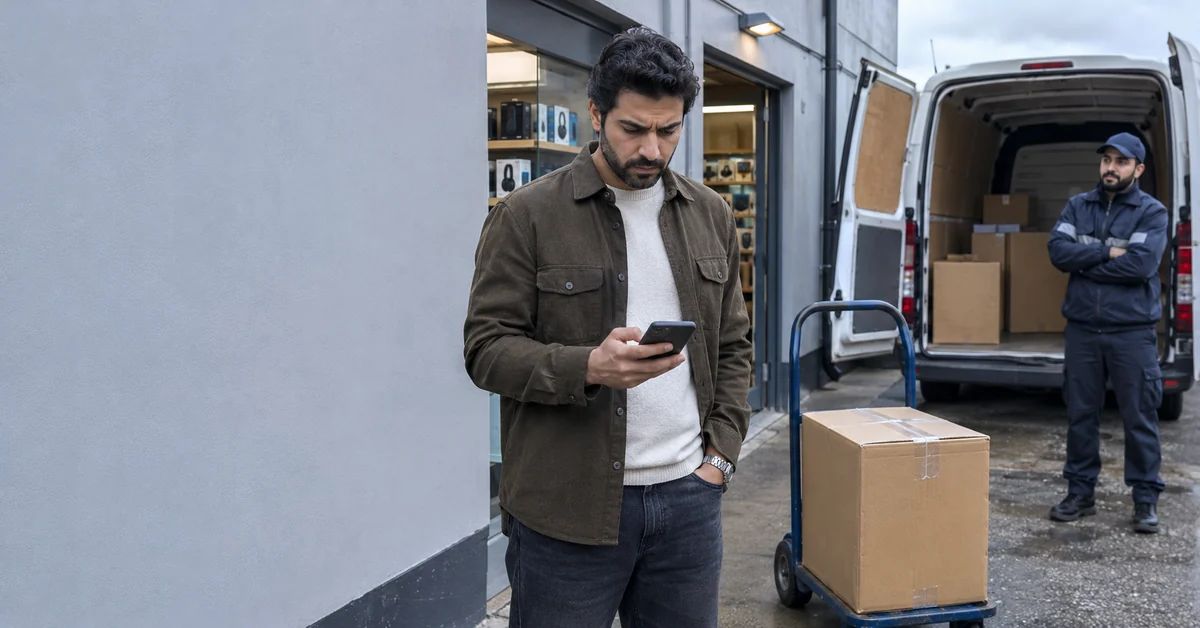
A customer has paid, the money appears in the account, and the business delivers the goods or begins the work. Then the customer says the transfer was made in error and asks for the payment to be recalled.
It is an uncomfortable position because the business may already have acted on the payment, while the customer believes the money should be returned.
A payment recall is not always a sign of fraud or bad faith, although it should be handled carefully because rushed decisions can lead to a duplicate refund, a lost payment, or a dispute about what was delivered.
A recall request is not the same as a completed reversal
The first point to understand is that payment status depends on the payment rail, the banks involved, and the circumstances of the transfer. A customer may ask their bank to recall funds, but that does not always mean the money has automatically been removed from the recipient’s account.
The business should not assume the payment is gone simply because the customer says a recall has been requested. At the same time, it should not dismiss the request just because the funds initially appeared as cleared.
Treat the request as an issue that needs verification. Check the bank account, contact the payment provider through a trusted channel, and ask the customer for the relevant payment reference or recall case number.
Pause the next step while you check
If goods have not yet been dispatched or services have not yet started, pause the next action while the payment is reviewed. This is not about punishing the customer. It is about preventing the business from delivering something while the payment position is uncertain.
If delivery has already happened, gather the supporting evidence straight away. That may include the order confirmation, invoice, payment confirmation, delivery proof, signed acceptance, service logs, or email correspondence.
The stronger the record, the easier it is to explain what happened if the payment becomes disputed later.
Verify the request through a known contact
Do not rely on a new email, phone number, or message attached to the recall request. Fraudsters sometimes use payment confusion to persuade businesses to refund money to a different account.
Contact the customer using details already held in the customer record. Ask them to confirm why the recall was requested and whether the original payment was genuinely made in error.
If a refund is appropriate, confirm where it should be sent before taking action. The safest option is usually to return money through the original payment route or to the verified account that sent the funds, rather than accepting new bank details by email.
Separate genuine mistakes from commercial disputes
Not every payment recall is about a mistaken transfer. Sometimes a customer has changed their mind after delivery, disagrees with the invoice, or is experiencing cash-flow problems. Those are commercial issues, not necessarily payment errors.
The business should avoid treating a recall request as an automatic cancellation of the contract. Check the order terms, the delivery status, and any agreement that covers cancellations or refunds.
If the customer claims they paid twice, compare the payment references and values. If they claim the wrong amount was sent, confirm the original invoice and any agreed changes.
If they say they did not authorize the payment, the matter may need to be handled through their bank and the payment provider rather than through an informal refund request.
Do not refund before the position is clear
A rushed refund can create the worst outcome: the customer receives the money back directly from the business and the original payment is later reversed through the bank process as well.
Before issuing a refund, confirm whether the incoming funds remain available, whether the payment provider has received a formal recall notice, and whether the customer has confirmed the details in writing. Keep the refund approval separate from the person who received the request where possible.
For larger amounts, it is sensible to involve a manager or finance lead before any money leaves the account. A second pair of eyes can catch details that are easy to miss when the customer is pushing for an urgent answer.
Keep the record even after it is resolved
A payment recall can be resolved quickly, although the paperwork should not disappear once it is over. Keep the original invoice, payment evidence, customer communications, bank or provider case references, and proof of any refund.
This is especially important when delivery occurred before the issue was raised. A complete record helps the business answer later questions about whether goods were supplied, whether the payment was returned, and whether the account was correctly settled.
Our guide on keeping payment records is a useful reminder that the evidence around a payment can matter just as much as the payment itself.
Final thoughts
A recall request after delivery needs a calm, structured response. Verify the request through trusted details, pause any further fulfilment where possible, collect the evidence, and avoid refunding money until the payment position is clear.
The aim is not to make a genuine customer error difficult to fix. It is to make sure the business does not lose both the payment and the goods while trying to help.
#PaymentRecall #BusinessPayments #PaymentSecurity #RefundManagement #CashFlowProtection #CruisePayFinance


Recent Comments