Overview
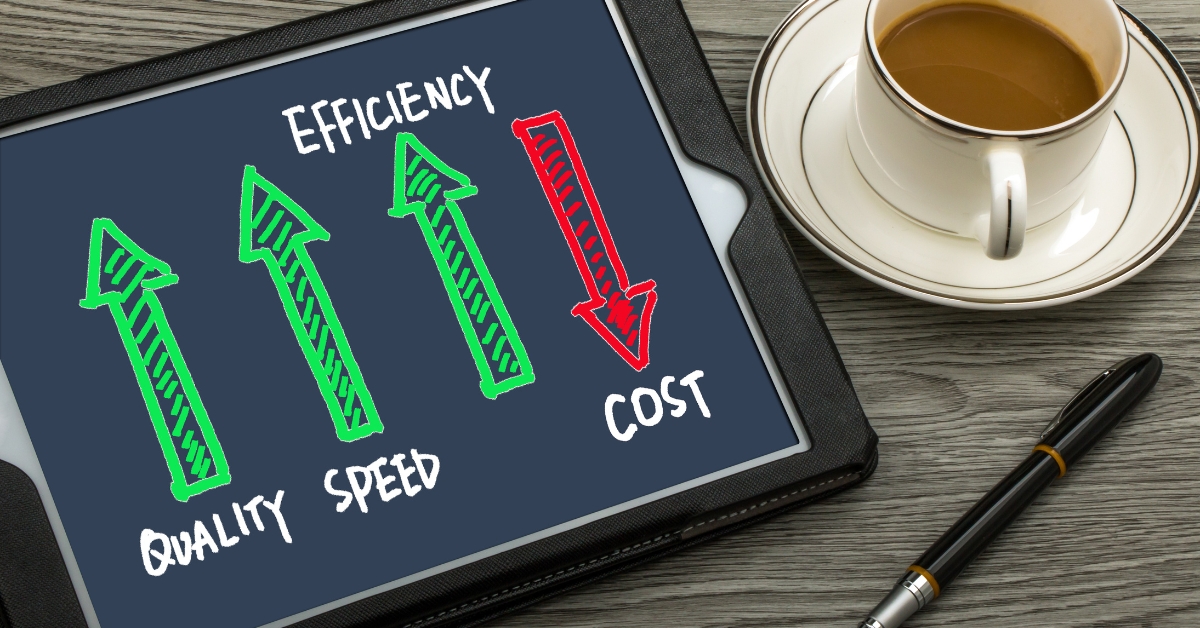
In today’s highly competitive business landscape, companies are continuously looking for ways to maximize profitability and achieve long-term financial growth. One of the most potent ways to do this is by improving operational efficiency. When business operations are streamlined, costs are minimized, and resources are better utilized, leading to improved financial performance. Here’s how operational efficiency directly influences economic growth and why it should be a focal point for businesses of all sizes.
1. Cost Reduction
Operational efficiency primarily focuses on reducing waste, eliminating inefficiencies, and optimizing processes. When a business operates efficiently, it spends less on unnecessary resources, overhead costs, and inefficiencies. For example, automating repetitive tasks, improving supply chain management, and optimizing production workflows can lead to significant cost savings. These savings can be reinvested into other areas of the business, such as research and development, marketing, or talent acquisition, fueling further growth.
2. Increased Productivity
Improving operational efficiency also results in higher employee productivity. When processes are streamlined, employees spend less time dealing with inefficiencies and more time focusing on value-driven tasks. Tools like project management software, automation, and task management systems allow teams to collaborate more effectively, leading to faster project completion, quicker decision-making, and increased output. Higher productivity means more can be accomplished with fewer resources, leading to higher revenue without additional costs.
3. Better Resource Allocation
Efficient operations help businesses allocate resources more effectively. This means that both human and financial resources are optimized to achieve the best outcomes. By understanding which areas of the business generate the most value, companies can invest more strategically. Whether it’s reallocating funds to high-performing departments or redistributing tasks based on employee strengths, operational efficiency allows for better utilization of resources, which directly impacts the bottom line.
4. Improved Customer Satisfaction
Operational efficiency also plays a key role in enhancing customer satisfaction. Streamlined processes lead to faster delivery times, higher-quality products or services, and a smoother overall experience for customers. Satisfied customers are more likely to become repeat buyers, refer others, and leave positive reviews, all of which contribute to revenue growth. Efficient operations ensure that businesses consistently meet customer expectations, building long-term loyalty.
5. Scalability
Lastly, a business with high operational efficiency is better positioned for scalability. When operations are smooth, expanding into new markets, increasing production, or introducing new products becomes easier and less costly. Efficient businesses can scale quickly without incurring excessive costs or losing quality, making growth more sustainable.
Conclusion
The link between operational efficiency and financial growth is undeniable. By streamlining processes, reducing costs, and maximizing resource allocation, businesses can increase their profitability and position themselves for long-term success. In a competitive market, operational efficiency isn’t just a nice-to-have; it’s a crucial driver of financial growth.
#OperationalEfficiency #FinancialGrowth #CostReduction #BusinessSuccess #Productivity #ResourceManagement #CustomerSatisfaction #Scalability #BusinessStrategy #Profitability



Recent Comments